How Broadcast System Integrators Revolutionize Media Production: Important Insights
Broadcasting system integrators play a pivotal role in the media production industry. They develop and deploy specialized broadcast systems that improve collaboration and optimize workflows. By adopting sophisticated technologies, these specialists not only boost operational performance but also raise the standard of content quality. As the media landscape continues to evolve, recognizing how these integrators respond to emerging challenges proves critical for organizations aiming to thrive. What methods are demonstrating the greatest success in this dynamic field?
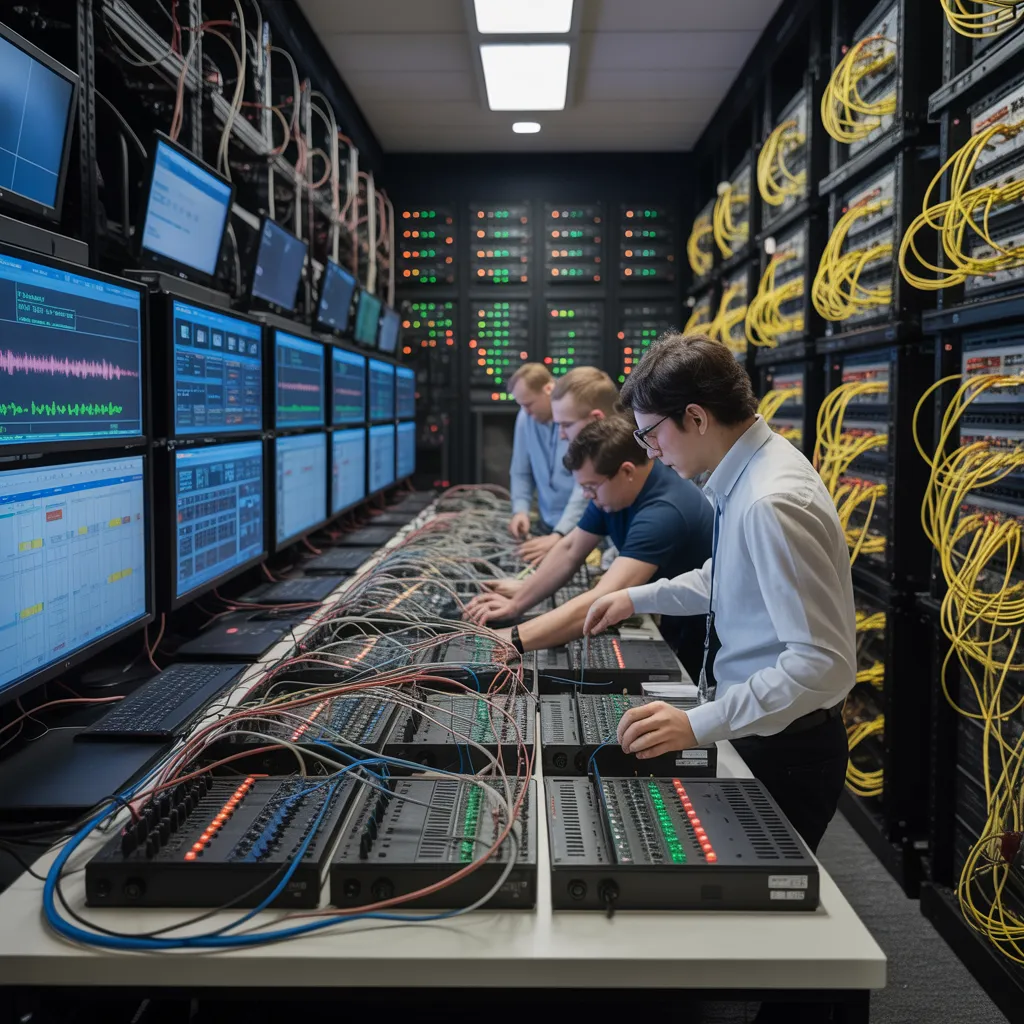
What Broadcast System Integrators Do for Media Production
Broadcast system integrators serve a critical function in media production by designing and implementing sophisticated solutions tailored to specific broadcasting needs. They analyze the specific demands of each assignment, ensuring that technical solutions align with creative objectives. With meticulous planning and implementation, integrators simplify production workflows, strengthen signal delivery, and refine equipment coordination.
Their expertise encompasses a broad spectrum of technical disciplines, including video content creation, audio production, and digital asset management. Through coordinating technical hardware and software systems, they establish seamless environments that enable productive content production and delivery.
Moreover, broadcast system integrators offer consistent support and upkeep, ensuring systems continue to operate effectively. They also stay updated on the latest industry trends and innovations, enabling clients to leverage the latest advancements in media technology. Ultimately, their contributions greatly impact the effectiveness and quality of media production, freeing creative teams to prioritize effective storytelling and audience engagement.
Optimizing Coordination Between Creative Professionals
Strong collaboration between creative teams is critical for successful media production. Broadcast system integrators serve a pivotal role in this process by establishing cohesive environments that encourage communication and innovation. By building integrated systems, they break down silos and support real-time feedback among diverse teams, such as writers, directors, and technical staff. This streamlined approach guarantees that all contributors are aligned with project goals, enhancing overall productivity.
Moreover, broadcast system integrators create cooperative workflows that support the fluid sharing of resources and creative ideas. By employing unified platforms and tools, creative teams can retrieve the same data, decreasing miscommunications and boosting efficiency. These integrators additionally stress the value of adaptability, enabling teams to pivot quickly in response to creative challenges. In conclusion, the function of broadcast system integrators in enhancing collaborative efforts is essential in redefining the media production landscape, leading to premium outputs that captivate audiences.
Essential Technologies for Collaborative Media Production
In the field of collaborative media production, essential technologies play a pivotal role in improving productivity and innovation. Cloud-powered collaborative platforms, instantaneous editing platforms, and remote production technologies are instrumental in enabling teams to collaborate effectively across diverse geographic areas. These developments encourage a highly cohesive and fluid work process, effectively enhancing the standard of media endeavors.
Cloud-Driven Collaboration Solutions
Numerous media production teams are embracing cloud-based collaboration tools to improve their processes and facilitate communication. These tools provide real-time file sharing, empowering team members to collaborate on and manage content from any place. This versatility not only enhances performance but also stimulates creative thinking, as different contributors can participate at once, despite any geographical boundaries. In addition, cloud-based tools commonly offer features like file versioning and project oversight, ensuring that all stakeholders are aligned and informed throughout the production process. Because of this, the integration of these technologies not only eliminates delays but also speeds up delivery schedules, positioning them as a critical element of contemporary media workflows. Embracing cloud solutions is consequently pivotal for staying competitive in the evolving media landscape.
On-the-Spot Editing Solutions
Real-time editing platforms transform the collaborative media production landscape by enabling teams to work simultaneously on projects from different locations. These technologies facilitate real-time feedback and streamlined decision-making, significantly boosting productivity and creativity. By permitting several users to access and edit material in real time, they eliminate delays associated with traditional editing processes. Moreover, embedded tools such as version control and comment tracking confirm that all team members maintain alignment across the production cycle. This cooperative setting encourages innovation, as diverse perspectives can be incorporated seamlessly. Therefore, real-time editing technologies not only refine workflows but also improve the overall caliber of media projects, making them indispensable tools for modern broadcast system integrators.
Remote Content Production Technologies
Remote production technologies transform the foundation of cooperative media creation by supporting smooth communication and content exchange across expansive distances. These breakthroughs, including cloud-powered workflows and high-capacity connectivity, support real-time collaboration among teams located in different geographic areas. By leveraging advanced video compression and transmission methods, broadcasters can efficiently deliver high-quality content without the need for physical presence at production sites. Moreover, technologies such as remote camera operation and virtual production setups permit teams to handle equipment and coordinate projects remotely. This versatility not only more information minimizes overhead but also boosts creative output, as skilled individuals can engage in projects without geographical restrictions. Ultimately, remote production technologies empower media organizations to adapt to evolving demands and maximize their creative potential.
Enhancing Content Quality and Productivity
Within today's demanding media industry, optimizing content quality and productivity is vital for broadcast systems integrators. By leveraging advanced technologies such as artificial intelligence and automation, these integrators streamline production processes, allowing for quicker turnaround times without compromising on quality. Deploying cutting-edge editing software and cloud-based platforms empowers teams to communicate and coordinate effectively, regardless of location, further optimizing workflows.
Additionally, the integration of high-definition and immersive formats elevates the viewer experience, making content highly compelling. Routine upskilling and training of team members guarantee that personnel remain proficient in the most advanced tools and approaches, fostering creativity in media production. Furthermore, stringent quality control protocols are implemented to preserve superior standards throughout all phases of the production cycle. At the core, by emphasizing these key strategies, broadcast systems professionals not only enhance the quality of the content produced but also strengthen total operational productivity, defining excellence within the industry.
Keeping Up with Changing Audience Needs
Moreover, the rise of on-demand content has necessitated a transformation in content creation approaches, compelling integrators to implement forward-thinking workflows that prioritize rapid delivery and availability. Analyzing regional tastes and demographic shifts is critical for crafting engaging and relevant content.
When all is considered, by prioritizing audience engagement and utilizing modern technology, broadcast technology integrators can boost viewer loyalty and satisfaction. This level of adaptability not only fulfills today's demands but also enables organizations for continued growth in an increasingly competitive media landscape.
Next-Generation Developments in Broadcast Integration
The future of broadcast integration stands ready for remarkable progress by means of cloud-powered technologies, which offer enhanced scalability and versatility. Rising innovations in AI and automation stand to boost production effectiveness and tailor content experiences. Additionally, enhanced remote working platforms are set to transform teamwork across the media production landscape, enabling seamless communication and creativity.
Progress in Cloud-Based Solutions
Revolutionizing the world of media production, cloud-based solutions are rapidly advancing, enabling seamless integration and collaboration across various platforms. Such innovations provide real-time availability of critical resources, allowing teams to work simultaneously from different locations. By leveraging cloud technology, broadcasters are able to store and oversee massive quantities of data, improving overall workflow productivity. Increased scalability guarantees that organizations can adapt to changing demands without substantial initial investments. Furthermore, cloud-based platforms enable premium video streaming and remote production functions, optimizing the overall content production process. As these solutions continue to evolve, they promise to provide broadcasters with the flexibility and agility needed to address the ever-changing demands of the media industry, fundamentally transforming how content is created and distributed.
AI and Automation Trends
As cloud-based platforms keep improving collaboration in media production, the incorporation of AI and automation is poised to reshape operational efficiencies across broadcasting. These technologies streamline workflows by automating repetitive tasks such as video editing and content tagging, enabling creative teams to concentrate on higher-value activities. AI-driven analytics provide insights into audience preferences, enabling more targeted content creation. Additionally, predictive maintenance powered by AI minimizes downtime in broadcasting equipment, ensuring smoother operations. The growth of machine learning algorithms continues to elevate content personalization, adjusting broadcasts in real-time based on viewer behavior. As these advancements mature, they are set to revolutionize the landscape of media production, ultimately cultivating more agile and responsive broadcasting environments.
Improved Remote Collaboration Solutions
Advancements in improved distributed workflow solutions are transforming the broadcasting landscape, enabling teams to operate efficiently across physical distances. These tools allow professionals to exchange premium video content, leverage unified resource libraries, and collaborate simultaneously, consequently improving workflow operations. Progress in cloud computing have enabled protected connectivity to digital assets and software, while comprehensive messaging solutions foster instant interaction among production staff. Moreover, extended reality platforms are developing, offering immersive experiences for virtual production. As such innovations advance, they are poised to boost innovation, increase efficiency, and reduce operational costs. Broadcast system integrators are critical in deploying these technologies, confirming that content creation remains dynamic and efficient in an progressively connected world.
Questions Our Clients Often Ask
How Can Broadcast System Integrators Maintain Data Security in Media Production
Broadcast systems integrators maintain information security across media production workflows through robust encryption, access controls, regular security audits, and thorough training. They apply industry standards and best practices to safeguard sensitive information from possible security breaches and unauthorized system access.
What Qualifications Are Broadcast System Integrators Generally Expected to Hold?
Broadcast systems integrators generally have expertise across media production, engineering, and information technology. Numerous professionals maintain certifications across specialized technologies, along with extensive experience in project management, facilitating the efficient integration of intricate broadcast workflows and systems.
What Factors Affect Costs When Hiring a Broadcast System Integrator
Costs for hiring a broadcast system integrator can vary considerably based on the complexity of the project, the technology required, and geographic location. Generally, costs span from hourly billing to fixed project pricing, representing the integrator's level of expertise and available resources.
What Are the Typical Challenges Encountered by Broadcast System Integrators?
Broadcast system integrators often deal with challenges such as quickly advancing technology, budgetary restrictions, demanding timelines, along with the requirement for smooth collaboration across varied teams. These factors complicate project management and can impact overall production quality and efficiency.
In What Ways Do Broadcast System Integrators Evaluate the Success of Their Projects?
Broadcast system integrators assess project success through essential performance benchmarks, customer satisfaction, adherence to budgets, and scheduled deadlines. They also assess the functionality of systems, the end-user experience, and the comprehensive influence on production efficiency and audience interaction.